discovered, not declared
The question I get asked, and keep asking myself, is what is strategy.
The answer I've landed on is that strategy is a set of intertwined choices that support each other. And those choices always start with the customer: what they want, and the preferences they'll never say out loud.
Two things follow. The first is that no single company can serve every customer, so part of strategy is choosing who you're not for. The second is that the choices have to be coherent, not just with each other but with reality. You can't sell a Dior bag at Miraggio prices; the price argues with the product. And you can't sell a voice AI agent that works exactly like a human at a third of the cost, because that's not how the technology works yet. A choice that argues with the truth isn't strategy. It's marketing.
That's my problem with how a lot of voice AI got sold. Cut your costs, improve your metrics, replace all your humans. It sounds like a strategy. It's a wish.
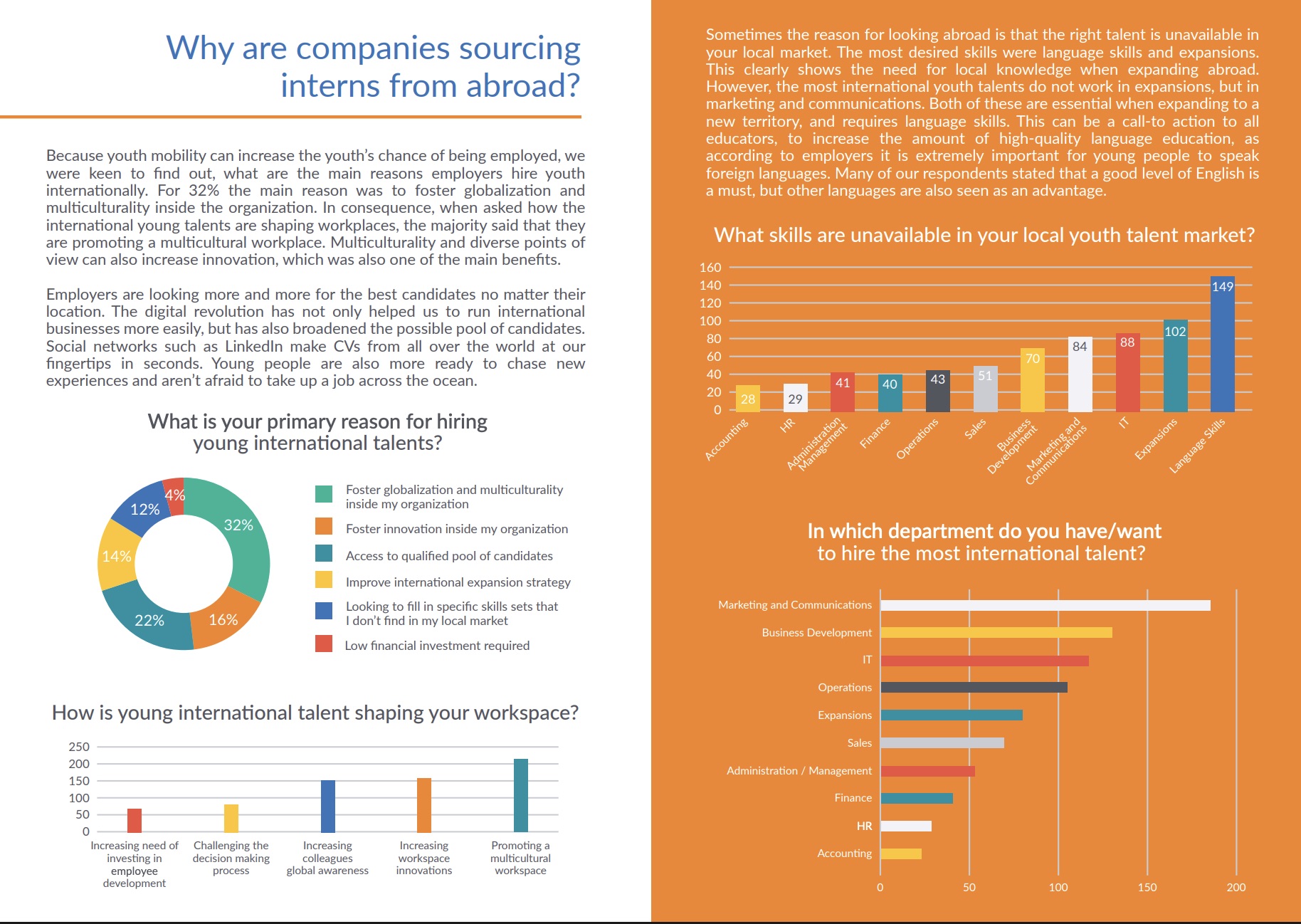
AIESEC customer research report
The only way I know to find the real choices is to get close to the market. I've done around 200 customer discovery interviews and feedback sessions, and the thing about doing that many is that they collapse into one or two things the customer repeats over and over. At AIESEC the one or two things were access to a qualified pool of candidates at a fraction of what an agency charged, and culture, so we started building cultural profiles and matching candidates on fit, not just skills. The other thing those conversations taught me is that customers are reasonable, almost always. If you hear them out, take their constraints seriously, and explain yours honestly, they'll meet you in the middle.
the jewellery brand
The clearest example is a jewellery brand we worked with. They wanted to reach their existing customers faster, and to keep conversions steady even as call volume went up. The first instinct was a clever multi-agent voice workflow. But sitting with them, it became obvious that buying jewellery is an emotional, personal decision, and a fully automated call was the wrong tool for it. So we changed the shape of the thing. The AI makes the first call and segments customers; a human advisor takes the ones worth taking; and the AI feeds that advisor live signals on what's working with similar customers in the same region. Because we run AI plus human, and our BPO partnerships give us telecallers who are already AI-ready, we could give them exactly what they asked for instead of an interesting voice AI experiment that might have gone nowhere.
That one account changed the company. We stopped selling voice AI and started selling a packaged thing that solved a real need, and our product and revenue strategy followed it, towards forward-deployed work and AI-plus-human solutions. Every choice moved at once, and they started supporting each other again. That's the closest I've come to watching the definition of strategy happen in real time.
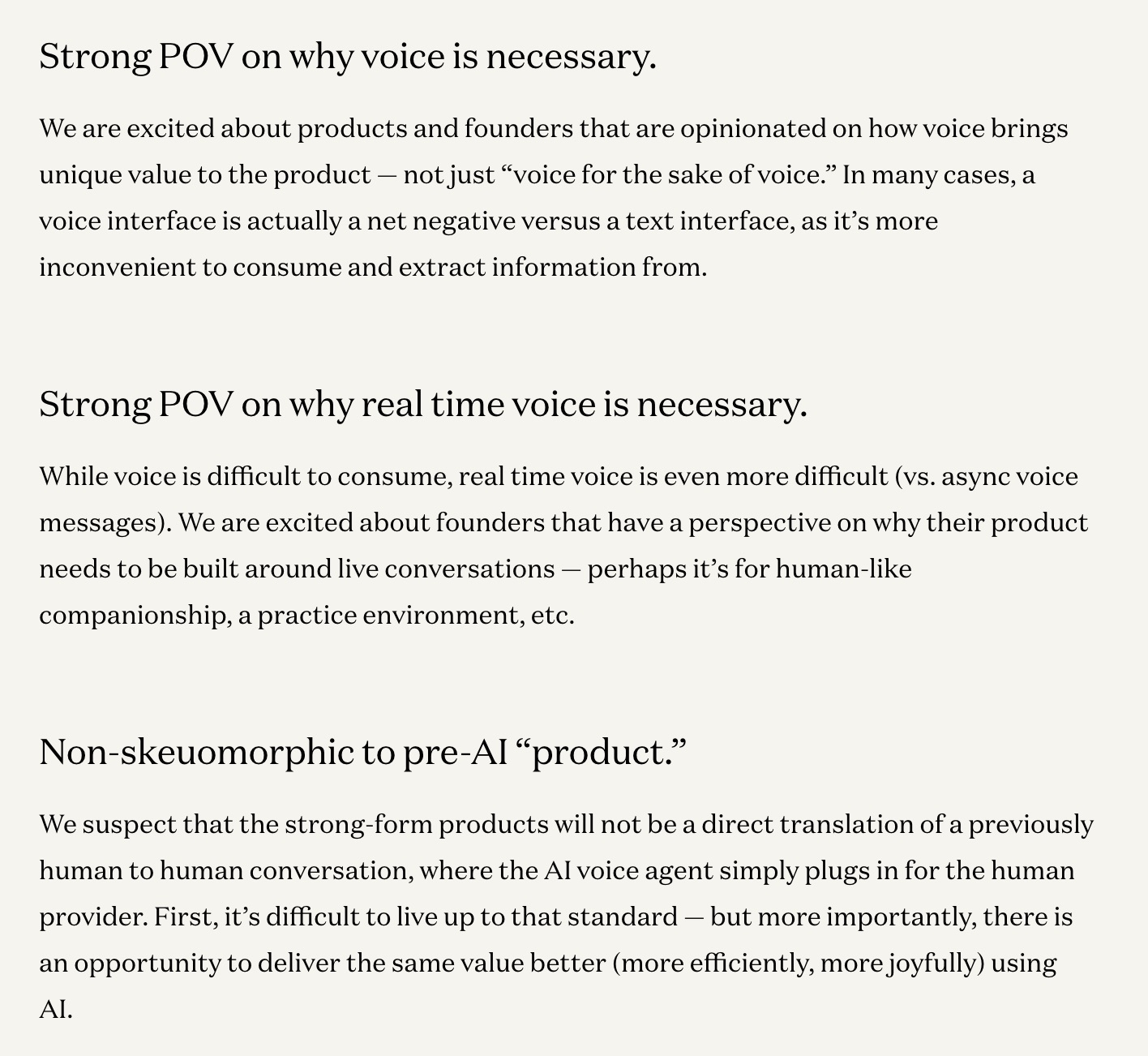
a16z's take on voice AI
None of it came from a whiteboard. It came from the interviews, from studying how the other players positioned themselves (I got onto their sales calls with help from friends), from spending time as a telecaller myself, from sitting in client offices, and from collecting enough data points to trust the pattern.
So if I had to compress it: the best strategy comes from staying close to the market. And no, prompting Claude about what customers want does not count.